
How to Keep Your Basement Warm in Winter (South Jersey Basement Finishing Guide)

If you’re planning a basement finishing project in South Jersey, one of the biggest concerns is simple: Will it actually feel warm in the winter?
A poorly finished basement stays cold, no matter how nice it looks. But when it’s built correctly, your basement can feel just as comfortable as the rest of your home—even in the middle of January.
Here’s how to do it right.
1. Use the Right Basement Insulation in the Proper Application

The biggest mistake homeowners make is using fiberglass insulation against foundation walls.
Concrete holds cold—and fiberglass doesn’t stop it.
For a warm basement, you need:
• Rigid foam board insulation (XPS or EPS) against the foundation
• Or closed-cell spray foam insulation
These create a thermal barrier that keeps cold from transferring into your space. Then you can use batt insulation only after that thermal barrier is in place.
This is the foundation of any warm basement in New Jersey.
2. Air Seal the Basement Before Finishing
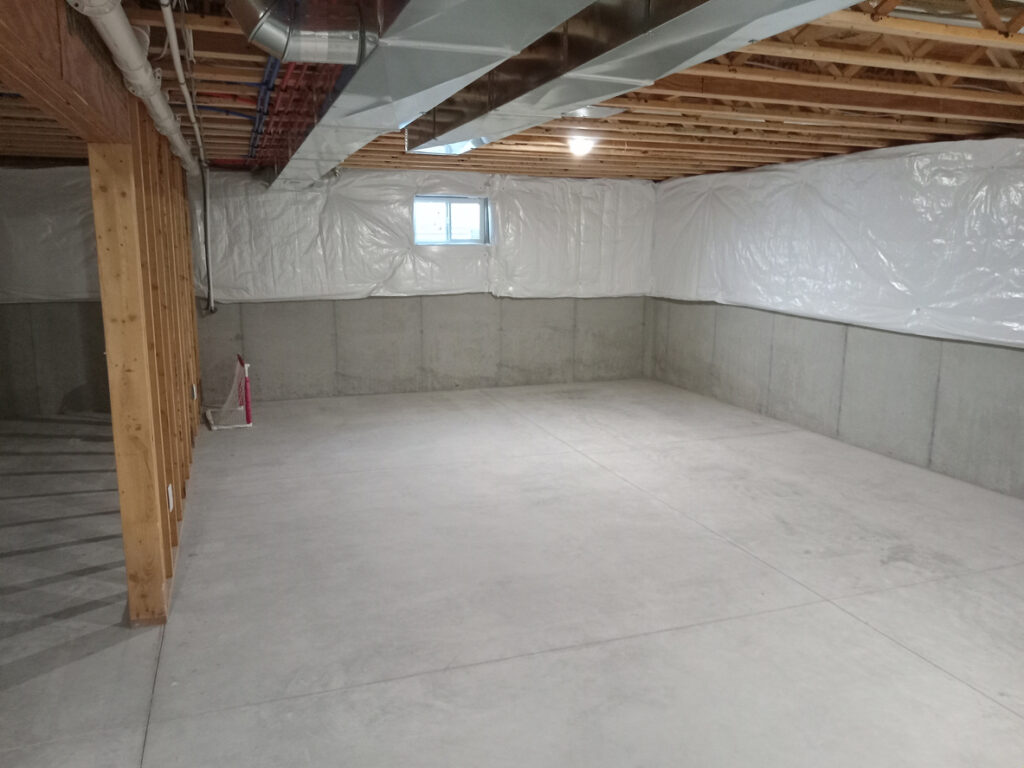
Even a well-insulated basement will feel cold if air is leaking in.
Before drywall goes up:
• Seal rim joists
• Seal around pipes, wiring, and penetrations
• Address small foundation cracks
These small steps improve comfort immediately and reduces heating costs. Feel free to do these at anytime before a planned remodel!
3. Insulate the Rim Joist (Critical Step)
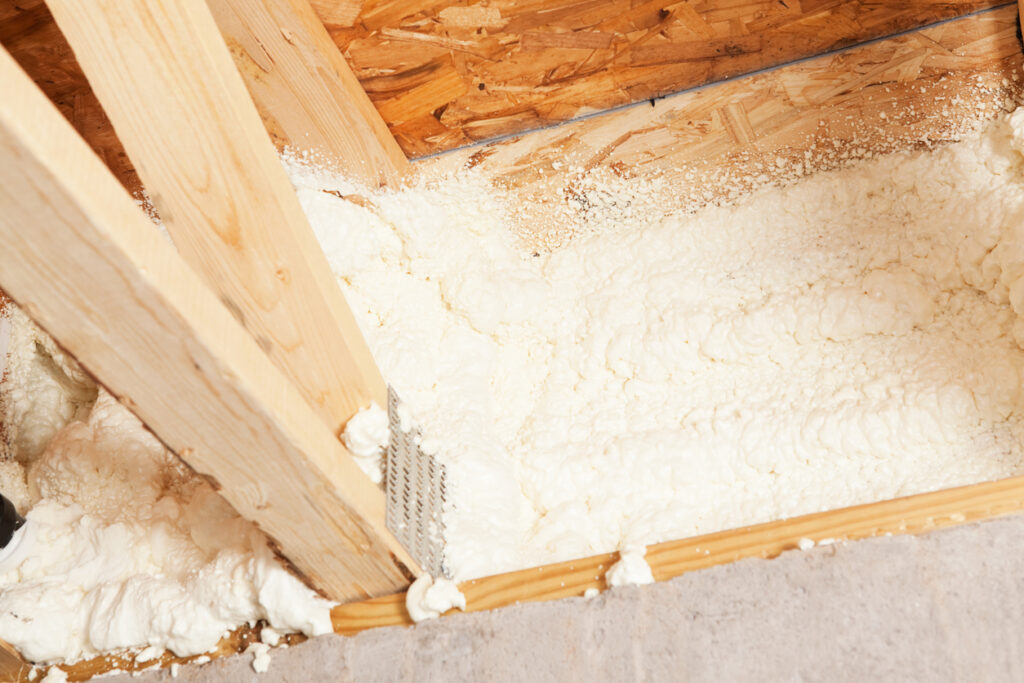
The rim joist is one of the biggest sources of heat loss in a basement.
Best options:
• Closed-cell spray foam
• Rigid foam cut and sealed in place
Skip this, and your basement will always feel drafty.
4. Install a Subfloor to Warm Up the Floor
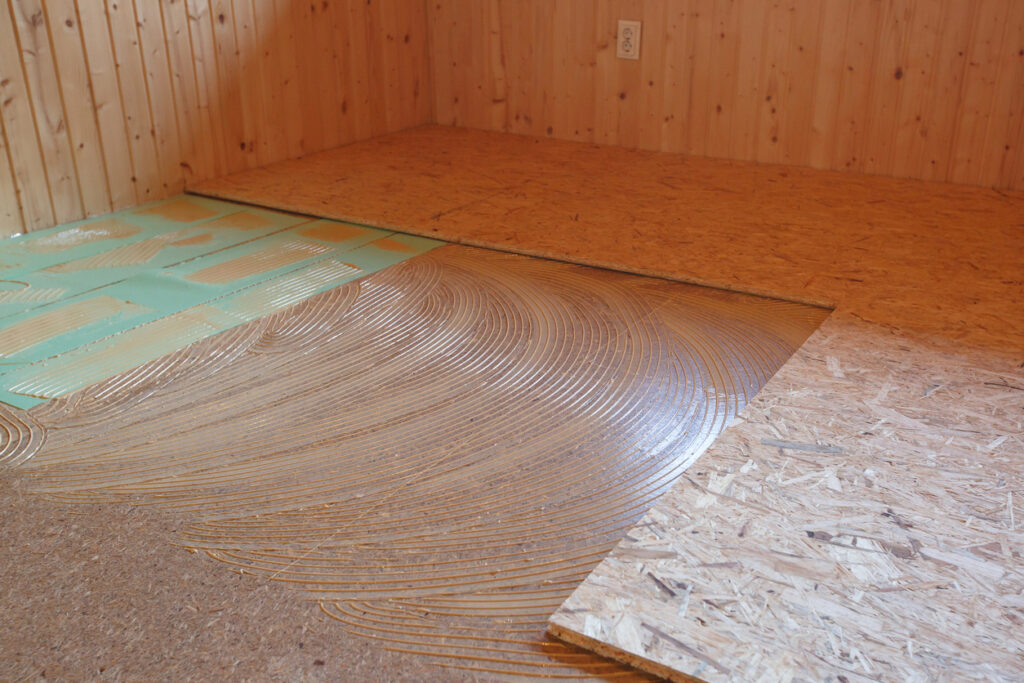
Cold floors = uncomfortable basement.
Instead of installing flooring directly on concrete:
• Use a basement subfloor system (like DRIcore)
• Or install a thermal break underlayment
This keeps floors warmer and makes a huge difference in overall comfort. This is not something we do often but for those clients where comfort is top of their list, we would recommend it.
5. Make Sure Your Heating System Is Sized Properly
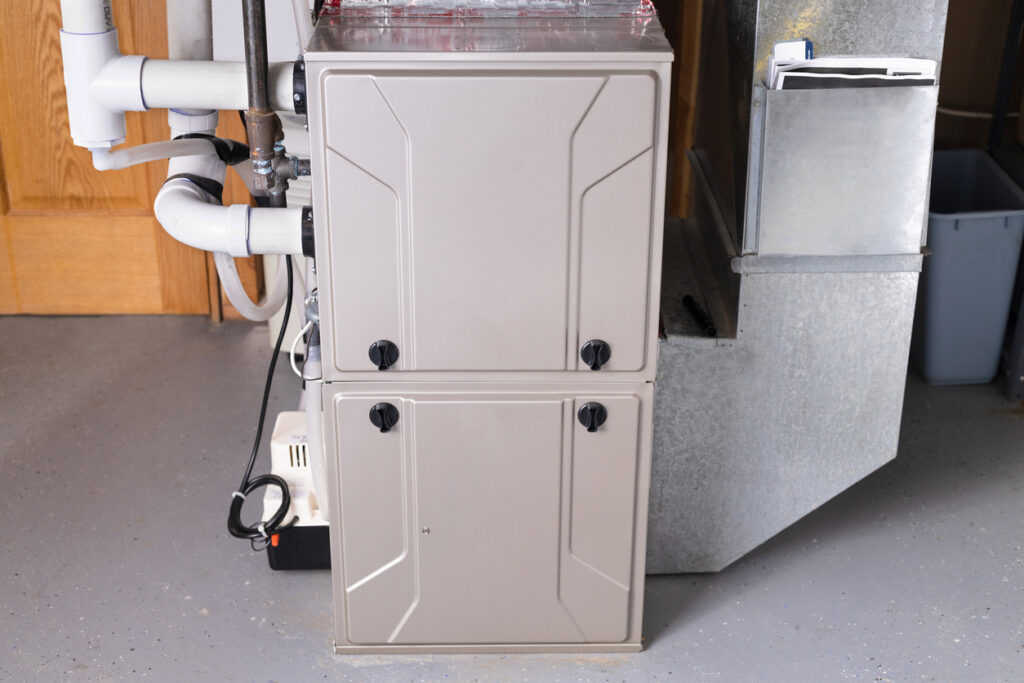
Many basements feel cold because they’re an afterthought in the HVAC design.
Your options:
• Extend your forced air system (properly designed—not just adding a vent)
• Install a ductless mini-split system
• Add electric baseboard or radiant heat
• Add a gas or electric fireplace to your remodel
Proper heating design is just as important as insulation.
6. Control Basement Humidity
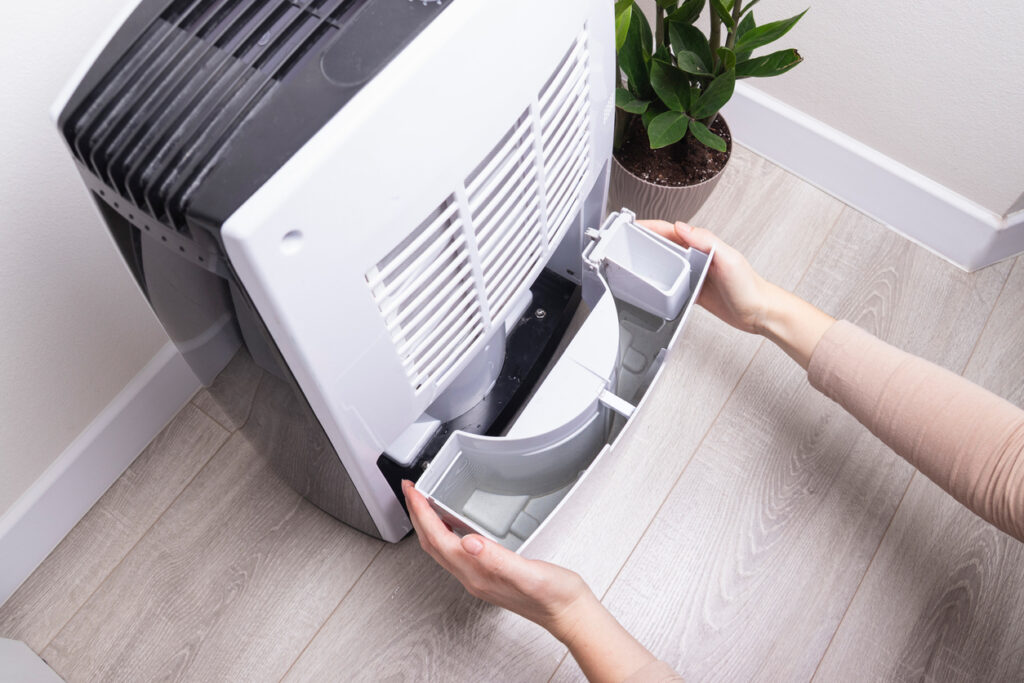
A damp basement always feels colder than it actually is.
To fix that:
• Install a dehumidifier
• Ensure proper air circulation and returns
Dry air feels warmer—and more comfortable.
7. Upgrade Basement Windows and Seal Them
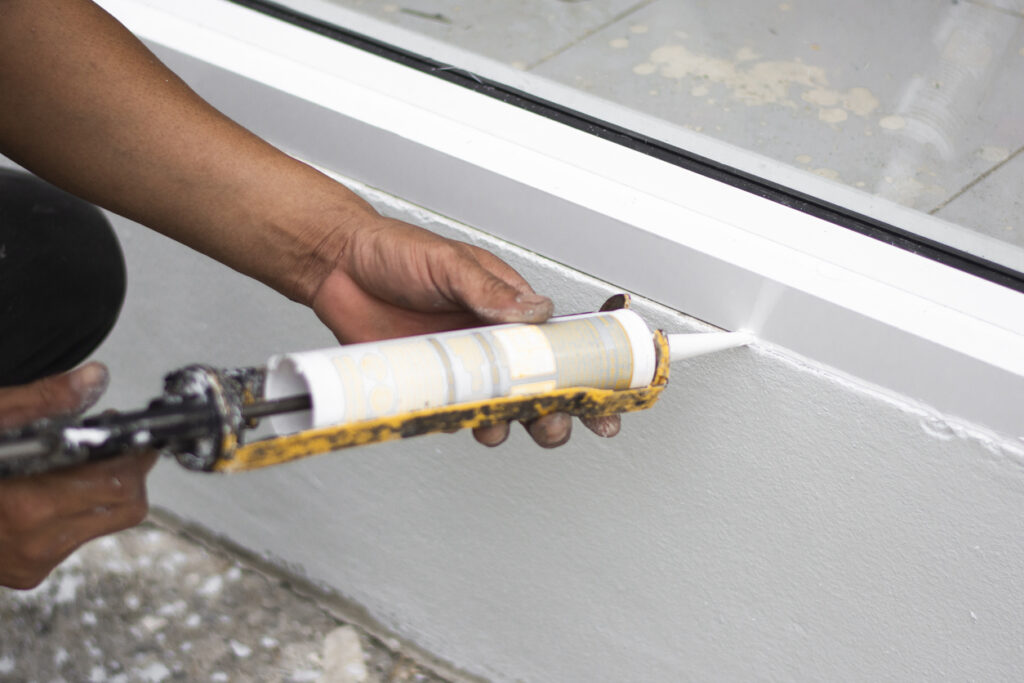
Older basement windows can let in a surprising amount of cold air.
Consider:
• Energy-efficient replacement windows
• Proper sealing and insulation around frames
This is a small upgrade with a noticeable impact and is often overlooked.
Why Basement Finishing Matters in South Jersey
In South Jersey, winters aren’t extreme—but basements still get cold due to:
• Below-grade construction
• Moisture in the soil
• Poor insulation in older homes
That’s why proper basement finishing isn’t just about looks—it’s about comfort and efficiency.
The Bottom Line
If you want a warm basement in winter:
Insulate it correctly, seal it tightly, and design the heating system properly.
Do those three things right, and your basement won’t feel like a basement anymore.
Basement Finishing in South Jersey
At Ideal Remodeling, we specialize in basement finishing in South Jersey, building spaces that are warm, dry, and built to last.
If you’re thinking about finishing your basement, we can help you do it right the first time.